Hinduism in Fiji: A Legacy of Faith, Culture, and Indian Heritage
Hinduism has played a significant role in shaping Fiji’s religious and cultural identity. Located in the South Pacific, Fiji is home to a diverse population whose traditions reflect centuries of migration, cultural exchange, and community development. Hinduism remains an important part of this heritage, particularly among Indo-Fijians, the descendants of Indian migrants who brought their religious beliefs and customs to the islands.
From ancient spiritual teachings and colourful festivals to temples and community celebrations, Hinduism in Fiji represents a lasting connection between Indian heritage and Pacific Island life.
The History of Hinduism in Fiji
The history of Hinduism in Fiji began during British colonial rule in the late nineteenth century. In 1879, the first Indian indentured labourers arrived in Fiji to work on sugarcane plantations. Between 1879 and 1916, approximately 60,000 Indians arrived under the indenture system, commonly remembered as Girmit, a term derived from the English word “agreement.”
Most of these migrants came from northern Indian regions such as Uttar Pradesh and Bihar, while others arrived from southern India, particularly Tamil Nadu. They brought different Hindu traditions, languages, religious practices, and cultural customs with them.
Life under the indenture system was difficult, and workers faced challenging living and working conditions. Despite these hardships, many families preserved their religious identity through prayer, storytelling, devotional singing, and community gatherings. After the indenture system ended, Hindu communities continued to establish temples, schools, and religious organisations, ensuring that their traditions survived across generations.
Hindu Beliefs and Religious Practices
Hinduism in Fiji encompasses diverse traditions, including Sanatan Dharma and Arya Samaj. Although their approaches to worship and religious interpretation differ, both have contributed to preserving Hindu teachings and values within the community.
Religious practices commonly include daily prayers, devotional songs, scripture readings, and ceremonies marking important stages of life. The Ramayana and the Bhagavad Gita remain influential sources of spiritual guidance, offering teachings on duty, devotion, righteousness, and personal responsibility.
Temples, known as mandirs, serve as centres of worship and community life. Families visit these sacred spaces to offer prayers, participate in religious programmes, and celebrate festivals. Religious organisations also conduct classes and cultural activities that help younger generations understand Hindu philosophy and traditions.
Major Hindu Festivals Celebrated in Fiji
Hindu festivals are an essential part of Fiji’s cultural landscape, bringing families and communities together through worship, music, traditional food, and public celebrations.
Diwali, also known as the Festival of Lights, is one of Fiji’s most widely celebrated Hindu festivals. Homes and temples are decorated with lamps and colourful lights, while families exchange sweets, offer prayers, and gather for festive meals. Diwali symbolises the victory of light over darkness and good over evil. Its recognition as a public holiday reflects the importance of Hindu traditions within Fiji’s multicultural society.
Holi, the festival of colours, is another important celebration. Associated with the arrival of spring and the triumph of good over evil, Holi brings people together through coloured powders, music, singing, and community gatherings. In Fiji, the festival also reflects the continuing influence of Indian cultural traditions on local celebrations.
Ram Navami, which celebrates the birth of Lord Rama, is observed through prayers, devotional singing, and readings from the Ramayana. Krishna Janmashtami, marking the birth of Lord Krishna, is celebrated with worship, bhajans, and religious gatherings. These festivals help maintain spiritual connections and pass religious knowledge from one generation to the next.
Hindu Temples and Sacred Places
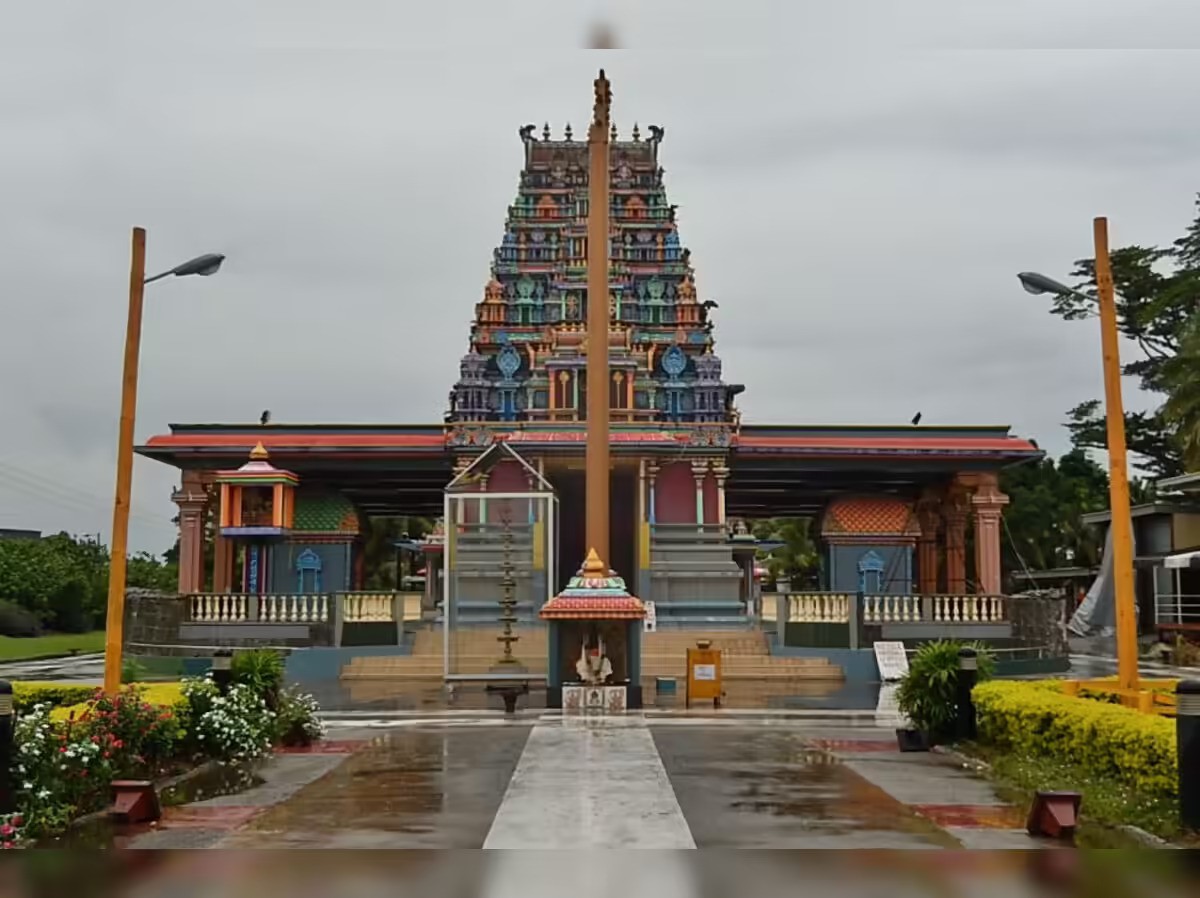
Hindu temples are central to preserving religious traditions in Fiji. They provide spaces for prayer, cultural education, community gatherings, and the observance of important religious occasions.
One of the country’s best-known Hindu landmarks is the Sri Siva Subramaniya Temple in Nadi. Recognised for its colourful Dravidian-style architecture, detailed sculptures, and traditional design, the temple is dedicated to Lord Murugan. It attracts worshippers and visitors interested in Hindu religious architecture and Indian cultural heritage.
Hindu temples and religious institutions across cities and towns such as Suva, Lautoka, and Sigatoka also support community life. Through worship services, cultural programmes, and educational initiatives, these institutions help preserve religious practices and strengthen connections between generations.
The Influence of Hinduism on Fijian Culture
Hinduism has influenced several aspects of Fiji’s cultural life, particularly through Indo-Fijian traditions. Indian cuisine, traditional clothing, devotional music, dance, and family customs have become important elements of the country’s broader multicultural identity.
Fiji Hindi, which developed through contact among Indian migrants speaking different languages and dialects, also reflects the historical experiences of the Indo-Fijian community. It has become an important language of everyday communication and cultural expression for many Indo-Fijian families.
Hindu organisations have contributed to education, community development, and cultural preservation. Religious schools, language classes, charitable activities, and youth programmes help sustain traditions while encouraging younger generations to understand their heritage.
Hinduism and Religious Diversity in Fiji
Fiji is home to several religious communities, including Christians, Hindus, Muslims, and people belonging to other faiths. According to the 2017 national census, Hindus accounted for approximately 24 per cent of the country’s population, making Hinduism the second-largest religious affiliation in Fiji.
The country’s public recognition of Diwali alongside important celebrations from other religious traditions reflects its diverse cultural landscape. Festivals and community events offer opportunities for people from different backgrounds to learn about one another’s customs and participate in shared celebrations.
However, Fiji’s history also includes periods of political and social tension that have affected communities differently. The experiences of Indo-Fijians demonstrate the complex relationship between ethnicity, religion, migration, and national identity.
Preserving Hindu Heritage for Future Generations
The preservation of Hinduism in Fiji depends on the continued efforts of families, temples, religious organisations, and cultural institutions. Teaching children about religious stories, traditional languages, festivals, and spiritual values remains an important part of maintaining cultural continuity.
As Fiji continues to evolve, Hindu communities balance the preservation of ancestral traditions with the changing interests and experiences of younger generations. Festivals such as Diwali and Holi, alongside temple activities and religious education, provide meaningful opportunities to keep this heritage alive.
Hinduism in Fiji is more than a religion inherited from India. It is a living tradition shaped by migration, resilience, and generations of cultural adaptation. Its enduring presence reflects the importance of faith, community, and heritage in Fiji’s multicultural society.